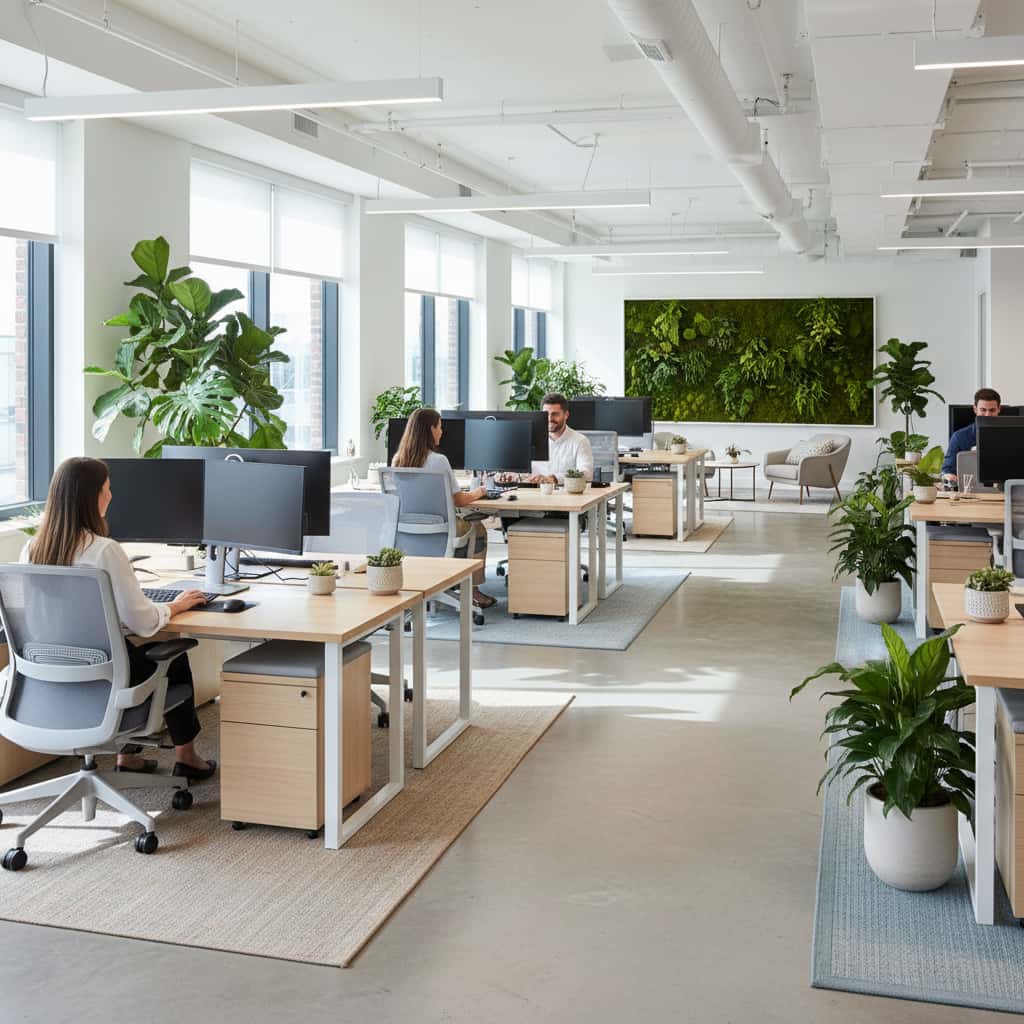
Office Furniture Maintenance: Extending the Life of Desks and Chairs
In today’s fast-paced work environment, the longevity and functionality of office furniture are crucial for maintaining productivity and comfort. Desks and chairs are among the most frequently used pieces in any office setting, and their maintenance is essential to ensure they remain in good condition over time. Proper care not only extends the life of these items but also enhances the aesthetic appeal of the workspace. This article delves into practical tips for maintaining office furniture, focusing on cleaning, lubrication, and tightening. We will also explore common wear points, discuss when replacement is necessary, and provide guidance on caring for different materials such as wood, fabric, and leather.
Practical Tips for Maintaining Office Furniture
Regular maintenance of office furniture is key to preserving its functionality and appearance. Here are some essential tips to help you keep your desks and chairs in top condition:
Cleaning: Dust and dirt can accumulate on furniture surfaces, leading to wear and tear over time. For wooden desks, use a soft, damp cloth to wipe down surfaces, followed by a dry cloth to prevent moisture damage. Avoid harsh chemicals that can strip the finish. For fabric chairs, vacuum regularly to remove dust and debris. Spot clean stains with a mild detergent and water solution. Leather chairs require special care; use a leather cleaner and conditioner to maintain their suppleness and prevent cracking.
Lubrication: Moving parts such as chair wheels and adjustable desk components benefit from regular lubrication. Use a silicone-based lubricant to keep these parts functioning smoothly. This prevents squeaking and reduces friction, which can lead to premature wear.
Tightening: Over time, screws and bolts can become loose due to regular use. Periodically check and tighten these components to ensure stability and safety. This simple step can prevent accidents and prolong the life of your furniture.
Common Wear Points and When to Replace
Despite regular maintenance, certain parts of office furniture are prone to wear and may eventually need replacement. Identifying these wear points early can save you from costly repairs or replacements.
Desks: The edges and corners of desks are susceptible to chipping and scratching. If the damage is superficial, it can often be repaired with wood filler or touch-up pens. However, if the structural integrity is compromised, it may be time to consider a replacement. Additionally, check the stability of the desk legs and joints regularly.
Chairs: The seat cushion and backrest are common wear points on chairs. If the padding becomes flat or uncomfortable, consider replacing the cushion or the entire chair. The casters or wheels can also wear out, affecting mobility. Replacing these components can extend the chair’s life without the need for a full replacement.
Caring for Different Materials
Different materials require specific care techniques to maintain their appearance and durability. Here are some tips for caring for wood, fabric, and leather office furniture:
Wood: Protect wooden surfaces from direct sunlight and moisture to prevent warping and fading. Use coasters and desk pads to avoid scratches and stains. Regularly polish with a suitable wood polish to maintain the finish.
Fabric: Fabric furniture should be vacuumed regularly to remove dust and allergens. For deeper cleaning, use a fabric cleaner or a steam cleaner. Always test cleaning products on an inconspicuous area first to ensure they do not damage the fabric.
Leather: Leather requires regular conditioning to prevent drying and cracking. Use a leather conditioner every six months and clean spills immediately with a damp cloth. Avoid placing leather furniture near heat sources, as this can cause the material to dry out.
By following these maintenance tips, you can significantly extend the life of your tables and chairs, ensuring they remain functional and aesthetically pleasing for years to come. Regular care not only preserves the investment in your office furniture but also contributes to a more comfortable and productive work environment.
